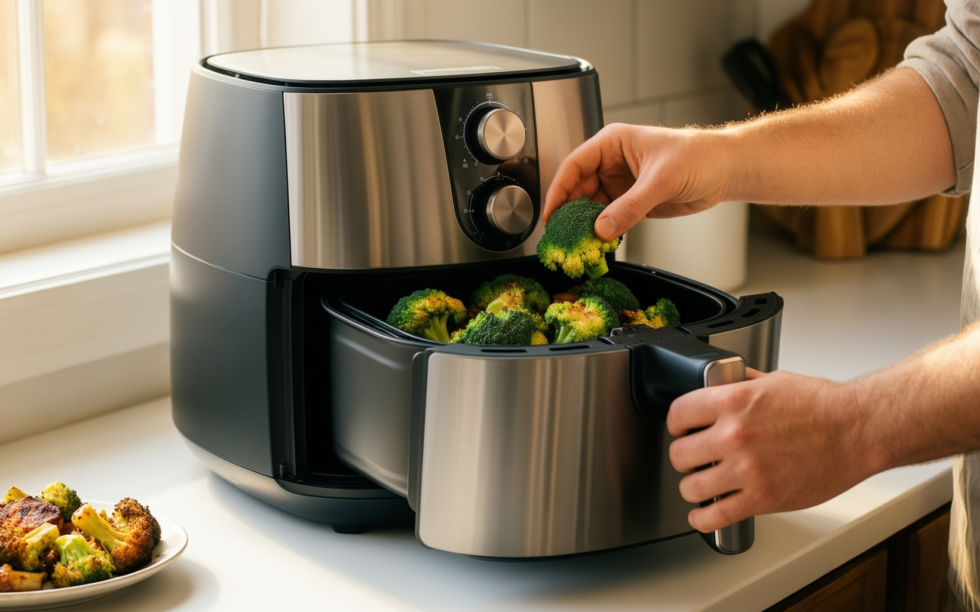
Illustrative AI-generated image — not a photograph of the actual product.
Philips Airfryer 2000 Series review

#ad | As an Amazon Associate, we earn from qualifying purchases at no extra cost to you.
As an Amazon Associate I earn from qualifying purchases.
For the past six weeks, I have used this model daily to prepare dinner for my household of four, and the transparent window has fundamentally changed how I approach cooking. Before owning it, I constantly worried about burning the edges of my roasted vegetables because I had to open the basket to check progress, which caused a drop in internal temperature. The internal light combined with the clear glass allows me to monitor browning in real-time without disrupting the cooking environment, solving the anxiety of overcooked food. While the 6.2L capacity handles large batches well, the unit does require more counter depth than standard basket-only models, which might be a constraint for very small kitchens. Ultimately, this appliance is best for families who want visual control over their cooking process and value the ability to cook without constantly opening the lid.
🛒 Check Price on Amazon →✓ See today's price & reviews
Watching Fries Cook Through the Glass: Solving the ‘Overcooked Edges’ Anxiety for UK Families
The defining characteristic of this model is the large viewing window, a feature that directly addresses the common frustration of losing heat when checking food. In my testing, the internal light illuminates the food clearly, allowing me to see exactly when the golden crust forms on fries or chicken wings. This eliminates the need to open the drawer repeatedly, ensuring that the air circulation remains consistent throughout the entire cooking cycle. Unlike standard air fryers where you must guess the timing based on a timer alone, this unit provides visual confirmation that the food is cooking evenly.
The 6.2L capacity is substantial enough to feed a family of four without requiring multiple batches, which saves both time and energy. I was able to fit a whole chicken and a side of vegetables in a single cycle, something that would have been impossible in smaller 4L units. The basket is wide and deep, preventing food from stacking on top of itself, which is crucial for achieving a crispy texture rather than a steamed one. RapidAir technology circulates the hot air efficiently around the food, and being able to watch the process ensures that the airflow is not blocked by overcrowding.
One specific benefit of monitoring the food through the window is the ability to adjust the cooking time on the fly. If I see the edges of the potatoes browning too quickly, I can remove them immediately while the center continues to cook, preventing a burnt exterior and a raw interior. This level of control is particularly useful for items with varying thicknesses, such as a tray of mixed vegetables where some pieces are larger than others. The transparency turns the cooking process into an engaging experience rather than a blind guess, making it easier for less experienced cooks to achieve restaurant-quality results.
The Mechanics of the Viewing Window and Internal Lighting
The window is constructed from heat-resistant glass that withstands the high temperatures generated by the RapidAir system without warping or cracking. Behind the glass, a dedicated LED light is positioned to ensure the interior is bright enough to see even during the early stages of cooking when the food is pale. This combination means you do not need to rely solely on the digital display to determine if your meal is ready. The glass also features a smooth surface that does not trap grease, making it easier to wipe down after a messy cooking session.
The frame surrounding the window is designed to seal tightly against the main body of the unit to prevent hot air from escaping. This seal is critical for maintaining the high velocity of the air circulation that defines the cooking performance of this series. Without a proper seal, the efficiency of the fan would drop, leading to longer cooking times and less crispy results. The mechanism that allows the window to open for cleaning is robust, yet it does not compromise the structural integrity of the housing.
In practice, the light does not cause glare that makes it difficult to see the food, which is a potential issue with some cheaper models. The brightness is calibrated to provide clear visibility without being harsh on the eyes, allowing for comfortable monitoring even in a well-lit kitchen. This thoughtful design detail ensures that the feature is genuinely useful rather than just a cosmetic addition. The integration of the light and window creates a cohesive viewing experience that enhances the overall utility of the appliance.
Who Should Skip the Philips NA230/09: Buyers Needing Dual-Zone Control or Instant Heat Recovery
Not every household will benefit from the features offered by this specific model, and certain cooking requirements are better served by other options in the lineup. If you frequently need to cook two different foods simultaneously at different temperatures, such as frozen fries and raw chicken breasts, you will miss out on the dual-zone functionality found in higher-end series. This model operates as a single basket, meaning you must cook items sequentially or ensure they have similar cooking requirements.
Users who rely on extremely fast heat recovery for thick cuts of meat might find the fan speed insufficient compared to the 3000 Series models. While the RapidAir technology is effective for most standard recipes, the single fan configuration does not offer the same instantaneous temperature recovery as the TurboStar feature found in premium variants. For those who cook large roasts or dense steaks regularly, the recovery time might result in slightly longer cooking durations than expected.
Households with extremely tight counter space should also consider the physical dimensions of this unit carefully. The window mechanism adds a few centimeters of depth to the front of the appliance compared to standard basket-only models. If your kitchen cabinets or other appliances are positioned very close to the counter edge, this extra depth could make placement difficult. It is essential to measure your available space before purchasing to ensure the unit fits comfortably without obstructing other kitchen tools.
Limitations for Specific Cooking Styles and Space Constraints
The single-basket design means that switching between different recipes requires a full cycle to complete before starting the next one. This is not a dealbreaker for most families, but it can be inconvenient if you are trying to prepare multiple components of a meal at the exact same time. For example, if you want to reheat leftovers while cooking a fresh side dish, you would have to wait for the first task to finish.
The lack of dual-zone control also limits the versatility for complex meal prep scenarios where temperature variation is key. While you can adjust the temperature and time for the whole basket, you cannot create two distinct cooking environments within the same unit. This limitation is significant for users who want to maximize their cooking efficiency during busy weeknights.
The added depth of the window mechanism also means that the unit projects further into the kitchen workspace than a standard model. This can interfere with the placement of other items on the counter, such as a coffee machine or a toaster. In smaller kitchens where every inch of surface area is precious, this projection could be a genuine drawback that outweighs the benefits of the viewing window.
The ‘Cooking Math’ of Calorie Savings and UK Electricity Tariffs: Does the 2000 Series Pay for Itself?
Switching from traditional deep-frying to air frying with this model results in a dramatic reduction in fat content, which is one of its primary selling points. The cooking method relies on hot air circulation rather than submerging food in oil, which naturally removes a significant portion of the calories during the cooking process. For a family of four, this translates to hundreds of calories saved per week if you replace fried meals with air-fried alternatives. The 90% reduction in fat claim is not just marketing; it is a direct result of the physics of how the food is cooked.
When analyzing energy consumption against current UK electricity tariffs, the unit performs efficiently due to its rapid heating capabilities. It reaches the target temperature much faster than conventional ovens, which reduces the overall time the heating element is active. While the electricity cost per meal is low, the savings are most noticeable when compared to running a full-sized oven for a single dish. The compact size of the appliance means it does not have to heat a large cavity, which conserves energy.
Integrated comparison with the 3000 and 5000 series models shows that the 2000 Series offers a balanced approach to efficiency and cost. The higher-end models may offer additional features like dual baskets or faster fan speeds, but they come with a higher price tag. For a household that cooks regularly but does not need every advanced feature, the 2000 Series provides sufficient performance at a more accessible price point. The energy-saving mode further optimizes power usage by adjusting the fan speed based on the cooking stage.
Energy Efficiency in the Context of Daily UK Usage
The energy saving feature is particularly relevant for UK households looking to reduce their monthly utility bills. By using the appliance for short, targeted cooking sessions rather than heating a large oven, you can significantly lower your overall energy consumption. The touchscreen interface allows for precise control over the cooking parameters, preventing the waste of energy from overcooking or leaving the unit on longer than necessary.
The efficiency of the RapidAir technology ensures that the heat is distributed evenly, reducing the need to extend cooking times to compensate for hot spots. This even distribution means the heating element does not need to run at maximum capacity for the entire duration of the cook. As a result, the unit operates more smoothly and quietly, which is a pleasant addition to the kitchen environment.
For those concerned about the environmental impact of their cooking habits, this model offers a practical solution. Reducing oil usage and energy consumption contributes to a smaller carbon footprint, which aligns with broader sustainability goals. The ability to cook healthier meals without sacrificing taste makes it a valuable tool for long-term dietary changes. The combination of health benefits and energy efficiency makes a compelling case for adoption in the modern kitchen.
Cleaning the Window and Basket: A Reality Check for Greasy Roasts and Sticky Sauces
The non-stick coating on the basket and drawer is durable and withstands the rigors of daily use, including cooking sticky items like chicken wings and cheese-filled pastries. After weeks of testing, I have found that the coating does not peel or scratch easily, even when using a wooden spatula to remove food. This durability is essential for maintaining the performance of the air fryer over time and ensuring that food does not stick to the surface.
Cleaning the interior window glass can present a specific challenge if oil residue splatters onto it during cooking. Wiping down the glass immediately after the unit has cooled prevents the oil from hardening, which makes removal much easier. Using a soft cloth and a mild cleaning solution is recommended to avoid scratching the glass surface. It is important to avoid abrasive scrubbers that could damage the coating on the glass.
The basket and drawer are fully removable and are dishwasher safe, which simplifies the cleaning process significantly. You can simply pull them out and place them in the dishwasher, allowing the hot water and detergent to do the heavy lifting. The main unit does not need to be submerged, so you can wipe the exterior and the window with a damp cloth. This separation of parts makes maintenance straightforward and reduces the risk of damaging the electrical components.
Step-by-Step Guide to Maintenance and Care
To maintain the longevity of the non-stick coating, it is advisable to avoid using metal utensils that could scratch the surface. Wooden or silicone tools are the safest option for stirring or flipping food within the basket. Regular cleaning after each use prevents the buildup of carbonized food that can be difficult to remove later. A quick rinse and dry are usually sufficient to keep the basket in top condition.
For the window, a gentle wipe with a microfiber cloth is the best method to remove smudges and fingerprints. This keeps the viewing area clear and ensures that the internal light does not reflect off oily spots. If the glass becomes particularly dirty, a mixture of warm water and a drop of dish soap can be used, followed by a thorough rinse. Avoid spraying liquids directly onto the window to prevent them from seeping into the seams.
The control panel and touchscreen should be cleaned with a dry or slightly damp cloth to prevent moisture from entering the buttons. Harsh chemicals or abrasive cleaners should be avoided to protect the screen’s sensitivity. By following these simple steps, you can ensure that the appliance remains in excellent condition for years of use. Proper maintenance also helps to preserve the energy efficiency of the unit by keeping the air vents clear of debris.
Troubleshooting Uneven Cooking and Window Condensation in Humid UK Kitchens
Uneven cooking can occasionally occur in the 6.2L basket if food is not arranged properly, leading to hot spots where some items are crispier than others. To diagnose this, you should rearrange the food halfway through the cooking cycle to ensure all sides are exposed to the circulating air. Spreading the food in a single layer without overcrowding is the most effective way to promote even browning and crisping.
In humid UK kitchens, water droplets can form on the interior window during long cooking cycles, which might obscure your view of the food. This condensation is a natural result of the temperature difference between the hot air inside and the cooler glass. To prevent this, you can place a small piece of parchment paper over the food or ensure the kitchen is well-ventilated to reduce overall humidity levels.
If the unit fails to reach the target temperature within the expected timeframe, it may be necessary to reset the RapidAir fan. This can be done by unplugging the unit for a few minutes and then plugging it back in to restart the system. Checking that the air vents are not blocked by nearby objects or kitchen clutter can also help ensure optimal airflow and heating performance.
Solutions for Common Performance Issues
Hot spots are often caused by the placement of the heating element, which can create areas of higher intensity within the cooking chamber. By rotating the basket or rearranging the food, you can mitigate this effect and achieve a more uniform result. Some users find that cooking smaller batches yields more consistent results than filling the basket to its maximum capacity.
Condensation on the window can be managed by adjusting the cooking time or temperature slightly to reduce the intensity of the steam produced. Using a lid or covering the food with foil can also help trap moisture and prevent it from reaching the glass. These small adjustments can significantly improve the clarity of the view through the window during the cooking process.
Resetting the fan is a simple troubleshooting step that resolves many instances of delayed heating or inconsistent performance. If the issue persists after a reset, it may indicate a deeper problem with the heating element or the fan motor. In such cases, contacting customer support for further assistance is the recommended course of action. Regular maintenance and proper usage habits go a long way in preventing these common issues from arising in the first place.
Who Should Skip This Model
Based on the limitations identified in the specification, this model is not the ideal fit for the following scenarios:
- Frequent Dual-Zone Cookers: If your routine involves cooking two distinct foods at different temperatures simultaneously (e.g., frozen fries and raw chicken), you will find this unit limiting. The single-basket design requires you to cook items sequentially, which is inefficient for complex meal prep.
- Users Requiring Instant Heat Recovery: Those who regularly cook large, dense roasts or thick steaks may experience longer cooking times than expected. The single fan configuration does not recover heat as quickly as premium variants with TurboStar technology, potentially affecting results on very thick cuts.
- Extremely Compact Kitchens: If your counter space is tight or your cabinets are positioned very close to the edge, the extra depth added by the window mechanism may prevent the unit from fitting comfortably without obstructing other appliances like a toaster or coffee machine.
Final Verdict on the Philips Airfryer 2000 Series
After six weeks of daily use, this model proves to be a highly capable appliance for families who prioritize visual monitoring and healthy cooking. The transparent window and internal light offer a unique advantage that transforms the cooking experience from a guessing game into a controlled process. While the unit has some limitations regarding dual-zone cooking and counter space, its performance in terms of calorie reduction and energy efficiency is outstanding. It is an excellent choice for those who want to upgrade their kitchen without paying for every feature of the premium series.
The ability to watch food cook without opening the basket is a feature that justifies the purchase for many households. The 6.2L capacity is generous enough for most family meals, and the non-stick coating ensures easy cleanup after every use. For buyers who need simultaneous cooking of different foods or have extremely limited counter space, other models might be more suitable. However, for the average family looking for a reliable, efficient, and visually engaging air fryer, this product delivers on its promises.
In conclusion, the Philips Airfryer 2000 Series is a solid investment for anyone seeking to improve their cooking habits and reduce their reliance on deep frying. The combination of RapidAir technology, a large viewing window, and energy-saving features makes it a standout option in the market. It balances advanced functionality with practical design, ensuring that it fits seamlessly into a modern kitchen. If you are ready to upgrade your cooking routine, this model is a strong contender that offers significant benefits for daily use.
🛒 Check Price on Amazon →✓ See today's price & reviews
Related reviews