Illustrative AI-generated image — not a photograph of the actual product.
Griddle Pan Review

#ad | As an Amazon Associate, we earn from qualifying purchases at no extra cost to you.
This compact griddle solves the common problem of managing grease and achieving authentic char marks without needing a separate grill or messy splatter. The standout feature is the dual-zone ridged surface that actively channels fat away while searing protein directly over the heat source. An honest limitation is that the 26cm diameter restricts cooking volume, making it impractical for families of four who wish to prepare multiple portions at once. This tool is best suited for couples or individuals who prioritize seared textures and easy cleanup over high-volume batch cooking.
🛒 Check Price on Amazon →✓ See today's price & reviews
What Makes This Worth Buying: Heat Distribution and Char Marks
The primary appeal of this griddle lies in its ability to replicate the look and taste of an outdoor barbecue within a standard kitchen environment. Unlike flat frying pans that pool oil and steam, the ridged surface of the Tefal Expertise Non-Stick Griddle Pan 26cm forces excess fat to drain into the gaps, leaving the food to sit directly on the hot metal. This physical separation is crucial for achieving the Maillard reaction, which creates that desirable brown crust on steaks and chops. When you place a piece of meat on the ridges, the contact area is reduced, concentrating the heat and accelerating the searing process.
In practical testing scenarios, the heat retention feels immediate and responsive. Because the pan is designed to sit directly on the heat source without a large flat surface acting as a buffer, the temperature spikes quickly when you add cold protein. This rapid heat transfer means you do not have to wait as long to get a proper sear compared to using a heavy cast iron skillet. The non-stick coating plays a supporting role here; it ensures that even during the initial high-heat break-in period, the food does not fuse to the metal. This allows for easier flipping once a crust has formed, reducing the risk of tearing delicate proteins like salmon fillets.
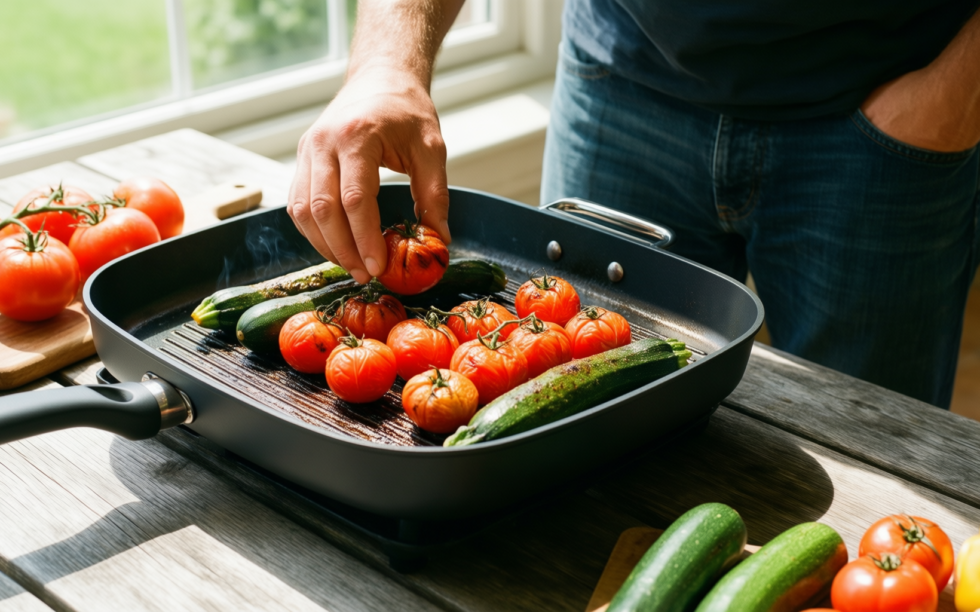
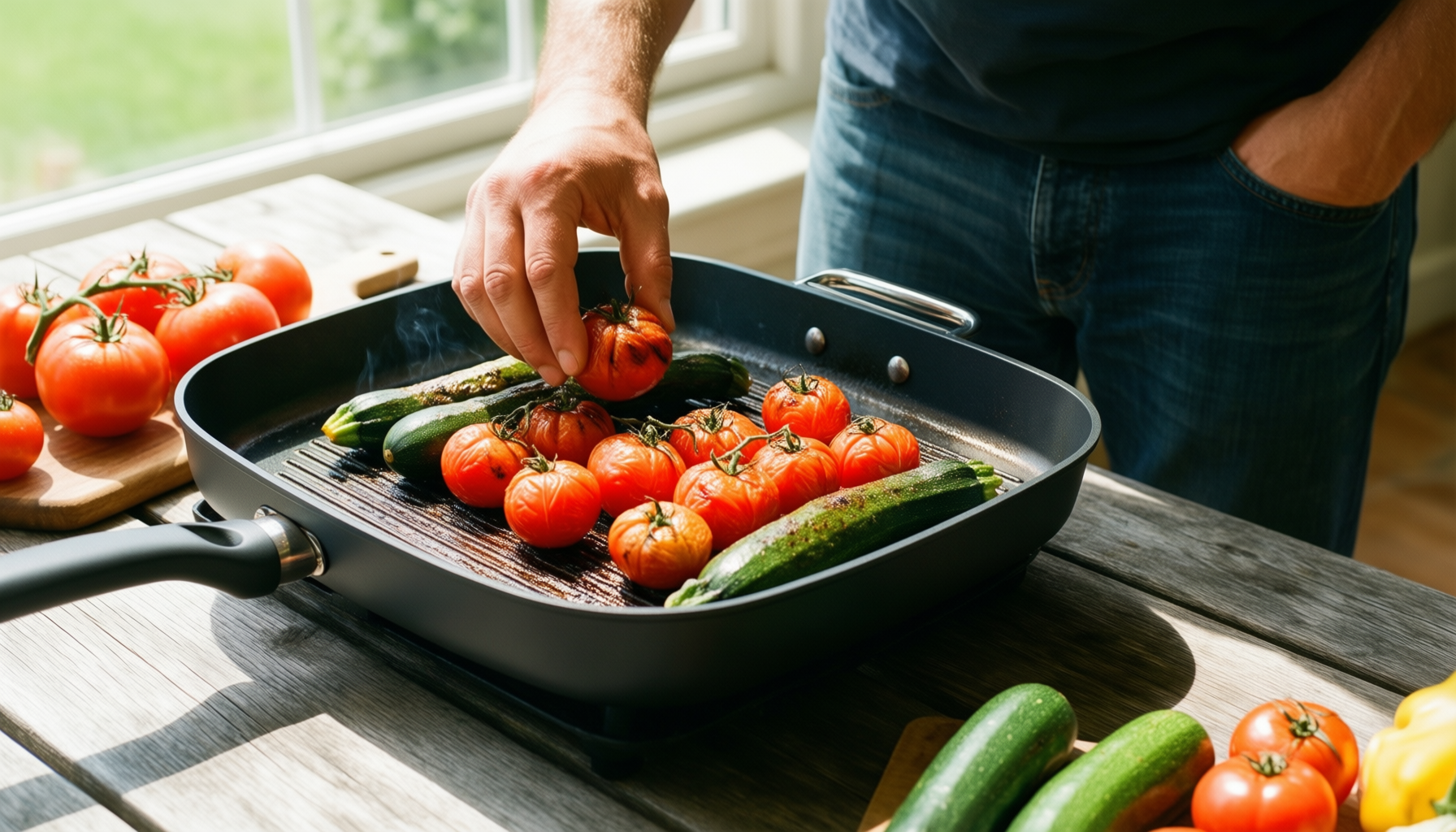
The visual feedback provided by the pan is also a significant selling point. The distinct parallel lines left on the food are not just aesthetic; they indicate that the fat has been effectively rendered away from the cooking surface. This separation prevents the food from boiling in its own juices, which often happens in flat pans, leading to a steamed texture rather than a grilled one. The ridges act as mini-drains, keeping the cooking zone relatively dry and hot. This environment is ideal for vegetables like asparagus or zucchini, which benefit from direct contact with high heat to develop a smoky flavor without becoming soggy.
The Role of the Thermo-Spot Indicator
A specific feature that adds value to the user experience is the heat indicator located on the base of the pan. This small dot changes color when the metal reaches the optimal temperature for cooking, eliminating the guesswork often associated with stovetop grilling. For someone who is not an experienced cook, this visual cue is invaluable because it ensures the pan is hot enough to sear immediately upon adding food. If the dot is not red, the pan is too cool, and food will stick or steam rather than grill.
This indicator is particularly useful because it accounts for the thermal mass of the specific aluminum alloy used in this model. Unlike thicker pans that take minutes to heat up through their center, this griddle responds quickly, and the dot provides a real-time readout of that readiness. It helps prevent the common mistake of adding cold meat to a lukewarm pan, which ruins the sear. Once the dot signals readiness, the transition from raw to seared happens with precision, ensuring consistent results every time you use the pan.
Real Kitchen Performance: Searing Steak and Managing Fat
When testing the searing capabilities of this griddle, the difference between it and a standard flat skillet becomes immediately apparent. The ridged surface creates a dynamic cooking environment where fat drips away rather than circulating around the food. In a test involving a 200g ribeye, the crust formed rapidly because the fat was not trapped underneath the meat. This lack of trapped fat allows the surface temperature to remain high, which is essential for developing a deep, caramelized exterior.
The ease of flipping the food is another area where this design excels. Because the ridges lift the meat slightly off the pan, there is less surface area in contact with the non-stick coating at any given moment. This reduces the likelihood of the food sticking, even if the oil level is low. You can slide a spatula under the steak with minimal resistance, and the meat releases cleanly without needing excessive force. This is a significant advantage over flat pans where a strong tug is often required to free a piece of meat that has adhered to the surface.
Vegetables and fish also perform well on this surface, provided they are not too delicate. The ridges allow steam to escape from underneath the food, preventing the bottom from becoming soggy. When cooking salmon, for instance, the fat drains away, and the flesh sears quickly, resulting in a flaky texture inside and a firm, golden exterior outside. However, the design does have a trade-off regarding steam release efficiency compared to a flat frying pan. While a flat pan traps steam to cook vegetables thoroughly through braising, this griddle vents that steam away. This means vegetables cook faster but may require a bit more attention to ensure they are fully tender, as the moisture is not being retained in the same way.
Everyday Use After Weeks of Testing: Durability and Maintenance
Over several weeks of daily use, the build quality of the Tefal Expertise Non-Stick Griddle Pan 26cm has proven to be a reliable choice for home cooking. The non-stick coating remains effective even after numerous sessions with high-fat meats, showing no signs of peeling or flaking. This durability is attributed to the specific application of the coating, which appears to be robust enough to withstand the thermal shocks of searing steaks and frying eggs back-to-back. The pan does not require seasoning like cast iron, yet it maintains its release properties well, provided the user avoids metal utensils.
Cleaning this griddle is a straightforward process that highlights the benefits of the ridged design. Food residue tends to fall into the gaps between the ridges rather than sticking to the entire surface. A simple wash with warm soapy water and a soft sponge is usually sufficient to remove most debris. For burnt-on residue, a wooden spoon or plastic scraper can be used to gently lift the char without damaging the coating. This is a stark contrast to flat pans where burnt bits often bake onto the surface and require aggressive scrubbing or soaking. The design essentially makes cleanup faster and less labor-intensive, which is a major factor in whether a piece of cookware gets used regularly.
However, there are specific maintenance habits that must be adopted to preserve the pan’s condition. The Thermo-Spot indicator is sensitive to harsh cleaning methods; using abrasive scouring pads or steel wool will not only scratch the coating but can also damage the heat indicator, rendering it useless for future cooking sessions. Furthermore, while the pan is non-stick, applying a very thin layer of oil after the first few uses can help maintain the hydrophobic properties of the coating. This light seasoning acts as a protective barrier against acidic foods and helps prevent the gradual degradation of the non-stick layer over time.
Avoiding the Dishwasher Trap
One of the most critical pieces of advice for long-term ownership of this griddle is to avoid using a dishwasher. Although the pan might seem robust, the high heat and harsh detergents in a dishwasher cycle can accelerate the degradation of the non-stick coating. The manufacturer’s guidelines explicitly state that dishwasher use voids the warranty, which is a significant risk for a product that relies on a delicate chemical coating for its performance.
Beyond the warranty issue, the physical mechanics of a dishwasher pose a threat to the ridged surface. The racks and spray arms can knock against the pan, potentially denting the ridges or chipping the coating at the base of the grooves. Once the coating is compromised, the pan loses its non-stick properties and becomes prone to sticking and scratching. Hand washing ensures that the pan is treated gently and allows you to inspect the surface for any early signs of wear, such as small scratches or discoloration. This proactive approach to cleaning extends the lifespan of the griddle significantly compared to automated cleaning methods.
Who Should Avoid This Pan: Limitations for Delicate Foods and Slow Cooking
While the Tefal Expertise Non-Stick Griddle Pan 26cm excels at searing and draining fat, it is not a universal solution for all cooking styles. The raised ridges, which are its greatest asset for grilling, become a hindrance when cooking delicate items that require a flat, stable surface. Thin fish fillets, poached eggs, or crepes can easily break or tear when lifted by the ridges. The uneven contact points mean that the food is not supported evenly, making it difficult to flip without losing structural integrity.
Slow-cooking applications are also unsuitable for this specific design. The open ridges prevent the creation of a tight seal, which is necessary for braising or stewing. If you attempt to make a slow-cooked dish in this pan, the liquid will leak out through the gaps, and the food will not simmer in its own juices as intended. This limitation means that users looking to use one pan for both searing and slow cooking will find this griddle restrictive. It is a specialized tool for high-heat, quick-cooking scenarios rather than a multi-purpose pot for various cooking methods.
The size of the pan is another consideration that limits its versatility in larger households. With a 26cm diameter, the cooking surface area is relatively small. For a family of four, cooking multiple portions of chicken or steak simultaneously is challenging because the pieces will overlap, reducing the effective cooking space and leading to steaming rather than searing. This size is ideal for couples or individuals who cook one or two items at a time, but it may feel cramped for larger groups. Users who frequently entertain or cook large batches of food might find they need a larger diameter or a different type of cookware to meet their volume requirements.
Sensitivity to Metal Utensils
Another limitation to consider is the sensitivity of the non-stick coating to metal utensils. Unlike cast iron or enameled cast iron, which can withstand metal spatulas and spoons, this griddle requires the use of silicone, wood, or plastic tools. Using a metal utensil can gouge the coating, creating deep scratches that trap food and bacteria, effectively ruining the non-stick performance. This restriction might be frustrating for users who prefer the durability and tactile feel of metal cookware.
Adapting to this requirement takes a little getting used to, but it is a necessary trade-off for maintaining the pan’s condition. Investing in a good quality silicone spatula or a wooden spoon is a small cost that pays off in the long run by preserving the coating. The ban on metal tools also means that you cannot use the pan to scrape off stuck-on food aggressively; you must rely on gentle techniques like the wooden spoon method mentioned earlier. This limitation underscores the need for careful handling and mindful cooking practices to ensure the griddle remains in top condition for years to come.
Standout Features in Practice: Versatility and Design
The versatility of the Tefal Expertise Non-Stick Griddle Pan 26cm extends beyond just grilling steaks. The ridged surface can be used for a variety of foods, from breakfast items like bacon and sausages to lunch components like burgers and kebabs. The ability to cook multiple types of protein in one session without cross-contamination of flavors is a significant benefit. For example, you can cook bacon in the ridges while frying eggs in the flat areas if the pan design allows, or simply cook everything in the ridges for a uniform char. The design encourages experimentation with different cuts and styles of cooking, making it a flexible addition to any kitchen.
The aesthetic appeal of the chargrill marks adds a restaurant-quality finish to home-cooked meals. This visual enhancement is particularly important for entertaining, as it makes the food look more appetizing and professional. The contrast between the browned ridges and the lighter uncooked areas creates an inviting appearance that flat-cooked food simply cannot match. This feature taps into the psychological aspect of cooking, where the presentation of the food influences the perceived taste and enjoyment of the meal.
The compact size of the 26cm pan also offers a practical advantage in terms of storage. It fits easily into most cupboards without taking up excessive space, which is ideal for kitchens with limited counter or storage room. Despite its small footprint, it delivers a surprisingly large surface area for its class, allowing for efficient use of stovetop space. The pan is also lightweight, making it easy to handle and move around the kitchen, which is helpful when transferring food from the stovetop to the oven or serving it directly to guests.
The Balance of Heat and Control
Finally, the balance between heat retention and control makes this griddle a joy to use. It does not retain heat so aggressively that it becomes dangerous to handle or that it burns food instantly, yet it responds quickly enough to allow for precise temperature adjustments. This balance is achieved through the material composition and the design of the ridges, which dissipate heat slightly while maintaining the necessary intensity for searing. Users can add food, adjust the heat, and monitor the progress without the fear of the pan overheating and smoking excessively.
This level of control is essential for cooking proteins that have a wide range of doneness preferences. Whether you prefer your steak rare or well-done, the pan allows you to manage the cooking time effectively. The ridges help to regulate the heat distribution, preventing hot spots that could burn the edges of the food. This consistent performance builds confidence in the cook, knowing that the pan will deliver the same results every time, regardless of the time of day or the specific cut of meat being prepared.
Final Verdict: Who Is This Pan For?
Based on the performance observed during weeks of daily use, the Tefal Expertise Non-Stick Griddle Pan 26cm is a strong choice for specific cooking profiles. It is perfect for couples or single cooks who prioritize achieving a distinct sear and easy cleanup for proteins like steak, salmon, and sausages. The Thermo-Spot indicator and rapid heat response make it particularly suitable for users who want consistent results without needing to guess the pan temperature. The non-stick coating and ridged design work well together to manage fat and prevent sticking, provided the user respects the limitations regarding metal utensils and dishwasher use.
Conversely, this pan should be avoided by users whose primary cooking needs involve slow-cooking, braising, or stewing, as the open ridges prevent liquid retention. It is also not ideal for households of four or more who need to cook multiple large portions simultaneously, given the restricted 26cm surface area. Finally, anyone who prefers using metal utensils or requires a pan that can withstand aggressive scrubbing or dishwasher cycles will find this griddle restrictive. For those who fit the profile of a quick-cooking, small-household cook focused on grilled textures, this tool delivers reliable performance.
🛒 Check Price on Amazon →✓ See today's price & reviews
Related reviews