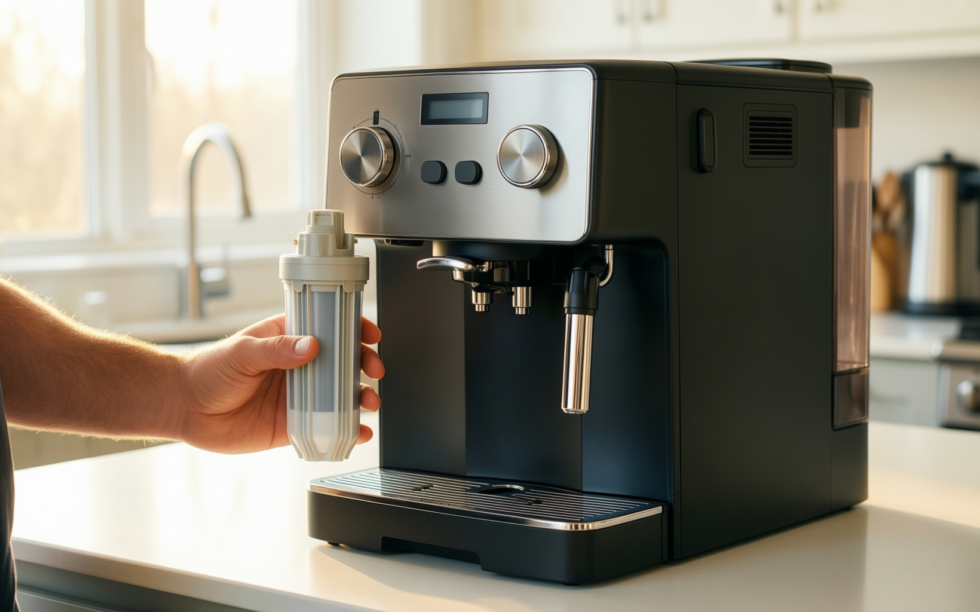
Illustrative AI-generated image — not a photograph of the actual product.
Delonghi Water Filter 10 Pack

#ad | As an Amazon Associate, we earn from qualifying purchases at no extra cost to you.
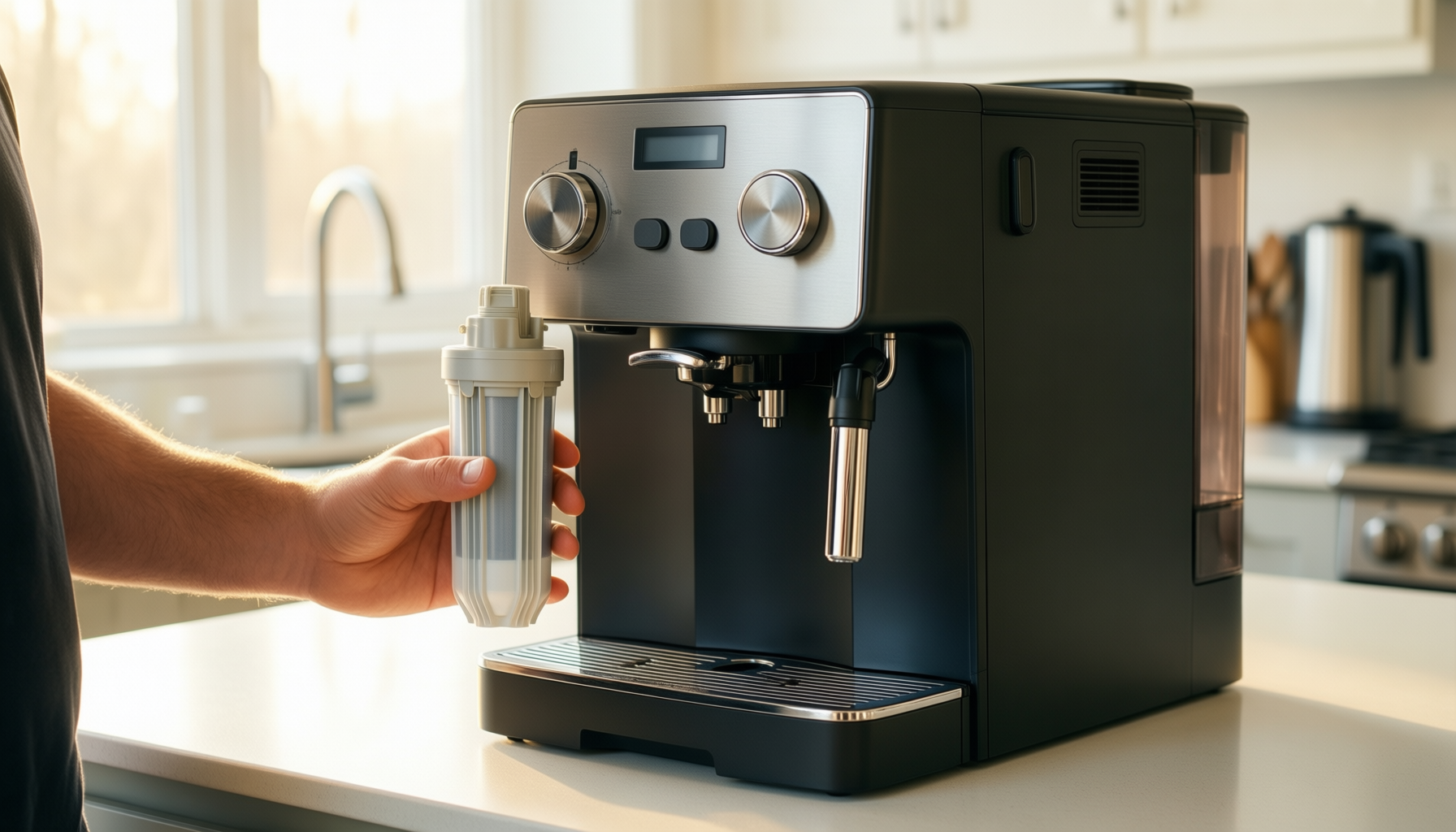
This 10-pack of DLSC002 filters addresses the specific need for consistent water treatment in De’Longhi ECAM, ETAM, EPAM, and ESAM series machines, which are sensitive to mineral buildup. The standout feature is the dual filtration media, combining coconut shell activated carbon to remove chlorine odors with ion exchange resin to soften water by reducing calcium and magnesium. However, a significant limitation is that the recommended replacement interval of two months can be shorter in hard water regions, meaning the 10-pack may not last as long as bulk buyers expect. This product is best for households with multiple De’Longhi users who drink coffee daily and want to minimize the frequency of repurchasing filters.
Hard Water Impact on Filter Lifespan
The primary function of the DLSC002 filter is to manage water hardness, which varies significantly across the UK. The product description specifies that the ion exchange resin removes calcium and magnesium, effectively softening the water before it reaches the boiler. In areas with high TDS (Total Dissolved Solids), such as parts of the Midlands or the North, this resin saturates faster than in soft water regions. This means the “two months” recommendation cited in the product details is an average, not a guarantee. Buyers in hard water zones should anticipate that the filter may need replacing closer to the six-to-eight-week mark to prevent scale accumulation.
🛒 Check Price on Amazon →✓ See today's price & reviews
Understanding the saturation rate is crucial for managing the 10-pack inventory. If a household drinks two to three cups of coffee daily, the filter is working continuously to process that volume. The activated carbon component handles chlorine and odors, while the resin handles minerals. When the resin is saturated, it can no longer remove calcium, leading to potential scale buildup in the machine’s pipes. The product description notes that the filter helps reduce dirt such as calcium oxide remaining in the coffee machine pipes, but this protection is only effective while the resin is active. Therefore, tracking usage against water hardness is more important than simply counting months.
For UK users, calculating the actual lifespan requires looking at both volume and water quality. A standard 10-pack is designed to last approximately 20 months if each filter lasts two months. However, if hard water reduces the effective lifespan to six weeks, the same 10-pack will last only about 15 months. This discrepancy is why the product description advises that replacement timing “depends on the water quality you need to use.” Buyers should monitor the taste of their coffee; if it begins to taste metallic or flat, the resin is likely saturated, regardless of the calendar date. This proactive approach ensures the machine remains protected from scale.
Resin Saturation in High-Mineral Water
The ion exchange resin is the critical component for scale prevention, and its performance is directly tied to the mineral content of the local water supply. In soft water areas, the resin may last the full two-month period because there are fewer calcium and magnesium ions to bind. In hard water areas, the resin reaches its capacity faster, requiring more frequent replacement. This product uses high-quality coconut shell activated carbon for odor removal, but the resin is what protects the mechanical parts of the machine. If the resin is saturated, the water passing through is no longer softened, increasing the risk of limescale deposits in the boiler and pipes.
Carbon Filtration and Taste Clarity
While the resin handles minerals, the activated carbon is responsible for removing chlorine and other odors that affect coffee taste. The product description states that the carbon effectively filters chlorine and helps soften water. This dual-action design ensures that the water entering the brewing group is both clean and soft. For coffee lovers, this means a cleaner cup without the chemical aftertaste often associated with tap water. However, if the carbon becomes saturated, the taste may degrade before the resin does, signaling that a replacement is needed even if scale buildup is not yet visible.
Bulk Purchase Logistics and Storage
Buying a 10-pack of filters changes the logistics of maintenance compared to buying single units. The product is listed as a set of 10 items, with a total weight of 1.22 kg. This weight is manageable for storage, but it requires a dedicated space in the kitchen cabinet or pantry. Unlike single filters that can be kept in a drawer, a 10-pack needs a box or shelf to keep the filters organized and protected from dust. The BPA-free housing material ensures that the filters remain safe for food contact, but they should still be stored in a cool, dry place to maintain their integrity.
The “waste factor” is a key consideration for bulk buyers. If a household uses one filter every two months, the 10-pack will last 20 months. This is a low-frequency purchase, meaning the user does not need to remember to reorder every few months. However, if the user is a low-volume drinker, using the machine only once a week, the filters may last longer than the recommended two months. In this case, the 10-pack could last over five years. The risk here is not expiration, but degradation. The product description does not specify an expiration date, but filters are designed for a specific usage window. Storing them for years may not be ideal, as the materials could dry out or lose efficacy.
For households with multiple De’Longhi machines, the 10-pack is a practical solution. If two machines are used daily, the filters will be replaced more frequently, making the bulk purchase a necessity rather than a luxury. The product is compatible with a wide range of models, including ECAM, ETAM, EPAM, and ESAM series, so it can serve multiple devices in the same household. This versatility reduces the need to buy different filter types for different machines, simplifying inventory management. The 10-pack allows the user to stock up and avoid the hassle of frequent small purchases.
Storage and Shelf Life Considerations
The filters are made of polyester and high-quality materials, but they are not sealed in individual airtight containers. The 10-pack likely comes in a box or bag, which should be kept closed to prevent moisture ingress. Moisture can affect the activated carbon and resin, reducing their effectiveness. It is advisable to store the filters in their original packaging until they are needed. The BPA-free housing is durable, but the internal media is sensitive to environmental factors. Keeping the filters dry and cool will help maintain their performance over the 20-month period.
Compatibility Across De’Longhi Models
One of the advantages of the 10-pack is its broad compatibility. The product description lists compatibility with ECAM, ETAM, EPAM, and ESAM 66/67/69, BCO 41/42, and EC6/EC7/EC8/EC9 models. This means that if a household has multiple De’Longhi machines of different series, they can use the same filter type for all of them. This standardization simplifies maintenance and ensures that all machines are protected with the same quality of filtration. However, it is important to verify the specific model number before purchasing, as not all De’Longhi machines use the DLSC002 filter.
Filtration Performance and Taste Quality
The DLSC002 filter is designed to improve coffee quality by removing impurities and contaminants. The product description highlights that the filter effectively reduces residual chlorine, eliminates odor, and removes scale, calcium, and magnesium. This comprehensive filtration ensures that the water entering the brewing group is clean and soft, resulting in a better-tasting cup of coffee. The use of high-quality coconut shell activated carbon is a key factor in this performance. This material is known for its high adsorption capacity, which allows it to effectively remove chlorine and other odors.
Compared to cheaper third-party filters, the DLSC002 offers a more reliable filtration experience. While third-party filters may be cheaper per unit, they may not use the same quality of materials. The product description emphasizes the use of high-quality coconut shell activated carbon and ion exchange resin, which are essential for effective filtration. Cheaper alternatives may use lower-quality carbon or resin, which can lead to incomplete filtration and potential scale buildup in the machine. This can result in a shorter lifespan for the machine and a degraded taste in the coffee.
The taste profile of coffee made with the DLSC002 filter is often described as smoother and cleaner. The removal of chlorine and odors ensures that the natural flavors of the coffee beans are not masked by chemical tastes. The softening of the water also helps to extract the coffee more evenly, resulting in a balanced cup. For coffee lovers, this is a significant benefit. The filter not only protects the machine but also enhances the drinking experience. This is why many users prefer genuine or high-quality third-party filters over cheaper alternatives.
Carbon Quality and Odor Removal
The quality of the activated carbon is a critical factor in the filter’s performance. The DLSC002 uses coconut shell activated carbon, which is known for its high surface area and adsorption capacity. This allows it to effectively remove chlorine and other odors from the water. The product description states that the carbon helps to soften water and reduce dirt such as calcium oxide remaining in the coffee machine pipes. This dual function ensures that the water is both clean and soft, which is essential for producing high-quality coffee.
Resin Efficiency and Scale Prevention
The ion exchange resin is the other key component of the DLSC002 filter. It is responsible for removing calcium and magnesium, which are the primary causes of scale buildup. The product description states that the resin can effectively filter calcium and other minerals in the water, making the water softer. This is crucial for protecting the machine’s boiler and pipes from scale. The efficiency of the resin depends on the water quality, but in most UK households, it should provide adequate protection for the recommended two-month period.
Installation and Maintenance Tips
Installing the DLSC002 filter is a straightforward process, but there are a few common pitfalls that users should be aware of. The most common issue is the filter not clicking into place. This can happen if the filter is not fully seated or if the O-ring is not properly aligned. To avoid this, ensure that the filter is pushed firmly into the housing until it clicks. The product description mentions that the filter is quick and easy to install, but it is important to follow the manufacturer’s instructions carefully.
Another common issue is water leaking from the reservoir. This can happen if the filter is not properly sealed or if the housing is damaged. The BPA-free housing is durable, but it can still be damaged if mishandled. To prevent leaks, ensure that the filter is fully seated and that the housing is not cracked or broken. If a leak is detected, replace the filter or housing immediately to prevent water damage to the machine.
The indicator light on the machine is a timer, not a sensor. It will turn red after a certain period, reminding the user to replace the filter. The product description states that the filter provides a capping mode with time recording. This means that the light is based on time, not on the actual condition of the filter. To reset the light after installing a new filter, follow the instructions in the user manual. This ensures that the timer is reset and the user is reminded to replace the filter at the appropriate time.
Seating the Filter Correctly
Proper seating of the filter is essential for effective filtration and to prevent leaks. The filter should be pushed firmly into the housing until it clicks. This ensures that the O-ring is properly compressed and that the filter is securely in place. If the filter does not click, it may not be fully seated, which can lead to leaks or incomplete filtration. Always check that the filter is securely in place before turning on the machine.
Resetting the Timer Light
The timer light is a useful feature, but it can be confusing if not understood correctly. The light is based on time, not on the condition of the filter. This means that it will turn red after a certain period, regardless of whether the filter is still effective. To reset the light, follow the instructions in the user manual. This ensures that the timer is reset and the user is reminded to replace the filter at the appropriate time. Ignoring the light can lead to using a saturated filter, which can affect the taste of the coffee and the lifespan of the machine.
Who Should Skip This Bulk Buy
Not every buyer is suited for a 10-pack of water filters. The primary candidate to skip this product is the low-volume user. If a household uses their coffee machine less than once a week, the filters may last significantly longer than the recommended two months. In this scenario, a 10-pack could last over five years. While the filters do not have a strict expiration date, storing them for such a long period may not be ideal. The materials could degrade, or the user might forget they have a stockpile, leading to waste. For these users, buying single filters or smaller packs is a better option.
Travelers and those with multiple machines in different locations may also prefer smaller packs. If a user has a De’Longhi machine at home and another at a second home, they may not want to store 10 filters in one location. The weight of 1.22 kg is manageable, but it is not negligible. For users who move frequently or have limited storage space, a 10-pack may be cumbersome. Additionally, if a user is considering switching to a different De’Longhi model that uses a different filter type, such as the DLSC001, buying a 10-pack of DLSC002 filters could be a mistake. It is important to confirm the filter type before making a bulk purchase.
Another group that should consider skipping the 10-pack is those who are unsure about their water quality. If a user is in a hard water area but does not know the exact TDS level, they may find that the filters need replacing more frequently than expected. In this case, buying a 10-pack could lead to a situation where the filters are used up faster than anticipated, requiring a new purchase sooner than planned. For these users, it may be better to start with a smaller pack to assess the actual lifespan of the filters in their specific water conditions.
Low-Volume Usage Scenarios
For weekend coffee drinkers, the 10-pack is likely an overkill. If the machine is used only on Saturdays and Sundays, the filters may last three to four months each. This means the 10-pack would last over three years. While this is not a problem in terms of waste, it is a problem in terms of storage and capital tied up in inventory. These users are better served by buying filters as needed, ensuring that they always have a fresh filter ready without the burden of storing a large quantity.
Switching Machine Models
If a user is planning to upgrade their coffee machine, they should be cautious about buying a 10-pack. Different De’Longhi models use different filter types. For example, some models use the DLSC001, while others use the DLSC002. If the user is unsure which model they will buy next, purchasing a 10-pack of DLSC002 filters could be a risk. It is advisable to wait until the new machine is purchased and the filter type is confirmed before making a bulk purchase. This ensures that the filters are compatible and will not go to waste.
Final Verdict: Who Is This For?
This 10-pack of DLSC002 filters is the ideal choice for households with high coffee consumption and multiple De’Longhi machines compatible with the DLSC002 standard (ECAM, ETAM, EPAM, and ESAM series). If you drink coffee daily and want to avoid the administrative burden of frequent reordering, this bulk option provides a two-year supply under average water conditions. It is particularly well-suited for users in soft water regions where the two-month replacement cycle is reliable, as it maximizes the value of the purchase without the risk of premature saturation.
Conversely, this product is not suitable for low-volume users who brew coffee less than once a week, as the long storage period may lead to material degradation. It is also not recommended for users who are unsure of their specific machine’s filter compatibility or those planning to switch to a different De’Longhi model series that uses a different filter type, such as the DLSC001. For these users, smaller packs or single units offer greater flexibility and reduce the risk of waste.
🛒 Check Price on Amazon →✓ See today's price & reviews