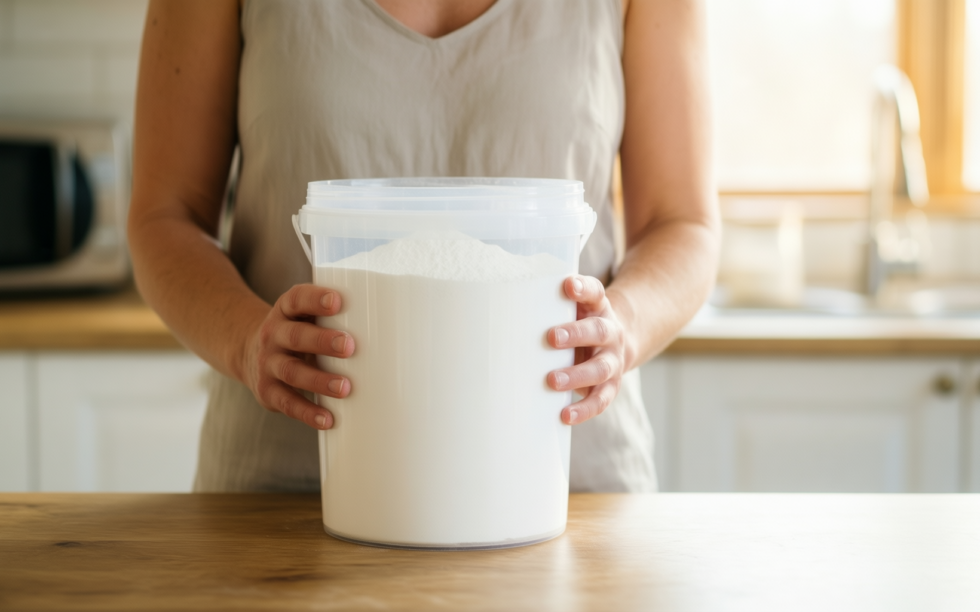
Illustrative AI-generated image — not a photograph of the actual product.
Puly Caff Coffee Cleaning Powder

#ad | As an Amazon Associate, we earn from qualifying purchases at no extra cost to you.
Disclosure: As an Amazon Associate I earn from qualifying purchases.
This product solves the persistent issue of oily residue and tea stains that standard descalers often miss in home espresso setups. Its standout feature is the fast-dissolving formula that leaves no residue, ensuring your machine continues to produce coffee without aftertaste or odor. A specific limitation is that it is a powder, which requires careful measurement to avoid waste or clogging if not mixed correctly. It is best for home espresso enthusiasts who want a dedicated, NSF-certified cleaner for their group heads and filter holders.
🛒 Check Price on Amazon →✓ See today's price & reviews
Who this is for: Home espresso users seeking a residue-free, certified cleaning solution. Who should skip this: Users of simple drip machines or those with strict manufacturer restrictions on third-party cleaning agents.
The Necessity of Deep Cleaning
Many home espresso owners confuse descaling with cleaning, a mistake that leads to bitter, burnt-tasting coffee. Descaling removes mineral buildup from hard water, but it does not address the organic oils and coffee grounds that accumulate in the group head and filter basket. These organic residues are the primary cause of off-flavors, as they break down over time and impart a rancid taste to every subsequent shot. The puly caff coffee cleaning powder is designed specifically to target these organic contaminants rather than just the mineral scale.
The difference is critical for anyone who values the purity of their espresso. While a descaler might keep the pump running smoothly by removing limescale, it leaves behind a film of old coffee oils that coats the internal components. This film acts like a sponge, absorbing new oils and creating a cycle of degradation that no amount of water rinsing can fix. By using a dedicated cleaner, you are addressing the root cause of flavor degradation rather than just the symptoms of hard water. This distinction is often overlooked in basic maintenance routines, leading to machines that run well but taste poor.
In practical application, this distinction becomes clear when standard descaler tablets fail to dissolve oily buildup in the filter holder. For instance, if coffee begins to taste slightly metallic and bitter despite regular descaling, the issue is likely organic rather than mineral-related. Switching to a powder-based cleaner specifically formulated for group heads can address this specific type of residue, validating the need for a specialized cleaning agent over general descalers.
Understanding Organic Residue Buildup
The specific mechanism of damage in espresso machines involves the accumulation of coffee oils in the narrow channels of the group head. These oils are sticky and adhere to metal surfaces, creating a layer that traps coffee grounds and bacteria. Over time, this layer thickens, restricting water flow and causing uneven extraction. The fast-dissolving nature of this powder allows it to penetrate these sticky layers more effectively than liquid descalers, which can sometimes be too dilute to break down heavy oil deposits.
Unlike typical liquid descalers that rely on acidity to dissolve minerals, this powder works by chemically breaking down organic matter. This means it is more effective at removing the “coffee taste” that lingers in the machine. The NSF certification ensures that the ingredients are safe for food-contact surfaces, which is a crucial factor for a product that comes into direct contact with your brewing components. This safety profile allows for more frequent use without the worry of chemical residue affecting your health or the taste of your coffee.
The Flavor Impact of Neglect
The impact of neglecting this type of cleaning is most noticeable in the first few sips of a fresh shot. You may notice a sharp, acidic note that is not present in the beans themselves, or a lingering bitterness that coats the palate. This is the taste of old, oxidized coffee oils. By using a dedicated cleaner, you reset the baseline flavor of your machine, allowing the true character of your beans to shine through. This is particularly important for those who use high-quality, single-origin beans, where subtle flavor notes can be easily masked by machine residue.
Who Should Skip This Product
Not every coffee setup requires a specialized powder cleaner, and using it in the wrong context can be unnecessary or even problematic. If you primarily use a simple drip coffee maker with a removable filter basket, a standard descaling tablet is likely sufficient. Drip machines have fewer narrow passages where oil buildup occurs, and the water flow is less pressurized, reducing the risk of clogs from residue. For these users, the added step of measuring and mixing powder may not offer a significant benefit over a simple descaling routine.
Another group to consider carefully are those with machines that have strict manufacturer restrictions on third-party cleaning agents. Some high-end espresso machines come with proprietary cleaning tablets that are chemically balanced to match the machine’s internal components. Using a different product, even if NSF-certified, could potentially void your warranty or cause corrosion if the pH levels are not compatible. Always check your user manual before introducing a new cleaning product to ensure it does not conflict with the manufacturer’s recommended maintenance schedule.
Finally, if you are already using a high-quality, manufacturer-approved cleaning tablet that effectively removes oil and scale, you may find that adding a separate powder cleaner is redundant. The key is to assess whether your current routine is leaving residue or causing off-flavors. If your coffee tastes clean and fresh, and your machine runs smoothly, you may not need to switch. However, if you are experiencing taste issues despite regular descaling, this product is worth considering as a more targeted solution.
Low-Volume Drip Machine Users
For those who brew coffee in small batches using a drip machine, the complexity of a powder cleaner may be more than necessary. These machines typically have a larger water reservoir and a simpler brewing path, making them less prone to the clogging issues that can arise from powder residue. A standard descaler that dissolves easily in water is usually enough to maintain the machine’s performance. The time spent measuring and mixing powder may not be justified by the marginal improvement in cleaning efficiency for these types of machines.
Machines with Proprietary Cleaning Requirements
Some espresso manufacturers design their machines to work exclusively with their own cleaning tablets. These tablets are often formulated with specific acids and surfactants that are safe for the machine’s gaskets and seals. Using a different product, such as a powder cleaner, could introduce chemicals that are not tested for compatibility with these specific materials. This could lead to premature wear or even damage to the machine’s internal components. It is essential to read the fine print in your manual to avoid any potential issues.
Practical Application and Dosage
The effectiveness of this product relies heavily on correct application, as improper dosing can lead to residue or ineffective cleaning. The product description specifies a dosage of 3.5 g for the group head and 10 g for the filter holder. This precision is crucial because too little powder will not break down the oil, while too much can leave a residue that clogs the machine. Measuring the correct amount is a simple but important step that ensures the cleaner works as intended.
To apply the powder to the group head, you can mix the 3.5 g with a small amount of warm water to create a paste, then apply it directly to the group head using a brush or cloth. Allow it to sit for a few minutes to break down the oil, then rinse thoroughly with water. For the filter holder, the 10 g dose can be dissolved in water and run through the machine in a cleaning cycle. This method ensures that the cleaner reaches all the internal passages of the filter basket, removing any trapped grounds or oils.
The post-cleaning rinse cycle is critical to prevent clogs. After applying the cleaner, you must run several cycles of clean water through the machine to flush out any remaining powder. This step is often overlooked, but it is essential for maintaining the machine’s performance. If you skip this step, the residue can build up in the pump or valves, leading to pressure issues or clogs. By following the correct dosing and rinsing procedure, you can ensure that your machine remains clean and functional.
Measuring the Correct Amount
Accurate measurement is the key to using this powder effectively. A small digital scale is the best tool for this, as it allows you to measure the exact 3.5 g or 10 g doses specified in the product description. If you do not have a scale, you can use a small spoon, but this is less precise and may lead to inconsistent results. The goal is to use just enough powder to break down the oil without leaving any residue. Overdosing is a common mistake that can lead to clogs, so it is better to err on the side of caution.
The Rinse Cycle Process
The rinse cycle is the final step in the cleaning process and is essential for removing all traces of the powder. After applying the cleaner, run at least three to four cycles of clean water through the machine. This ensures that any remaining powder is flushed out of the group head and filter holder. You can check for residue by tasting the water after the rinse cycles; if it tastes clean, you are good to go. If it tastes bitter or soapy, run additional cycles until the taste is neutral. This step is non-negotiable for maintaining the machine’s performance.
Long-Term Machine Longevity
Regular cleaning with a dedicated powder can extend the life of your espresso machine by preventing pump failure and valve corrosion. The accumulation of oil and scale can cause the pump to work harder, leading to increased wear and tear. By removing these contaminants regularly, you reduce the strain on the pump and other internal components, helping them last longer. This is particularly important for high-pressure machines, where the pump is under constant stress.
The impact of consistent cleaning on the grinder and brew group is also important. The grinder can accumulate fine coffee dust, which can mix with oil to create a gummy substance that clogs the burrs. The brew group, which is the heart of the machine, is also prone to buildup. By using a dedicated cleaner, you can keep these components free from residue, ensuring that they continue to perform at their best. This proactive approach to maintenance can save you from costly repairs or replacements down the line.
User anecdotes often highlight the difference between machines that are regularly cleaned with a dedicated powder and those that are not. Many users report that after switching to a more thorough cleaning routine, their machines required fewer repairs and produced more consistent coffee. This is a testament to the importance of proper maintenance and the role that a quality cleaning product can play in preserving your investment.
Preventing Pump Failure
The pump is one of the most critical components of an espresso machine, and it is also one of the most susceptible to damage from buildup. Oil and scale can accumulate in the pump’s internal passages, causing it to lose pressure or fail entirely. By using a dedicated cleaner, you can prevent this buildup from occurring, ensuring that the pump continues to operate efficiently. This is a simple but effective way to extend the life of your machine and avoid the hassle of pump replacement.
Protecting the Grinder and Brew Group
The grinder and brew group are also areas where buildup can cause significant issues. The grinder’s burrs can become clogged with oil and dust, leading to inconsistent grinding and poor extraction. The brew group can also accumulate residue, which can affect the flow of water and the quality of the coffee. By cleaning these components regularly with a dedicated powder, you can keep them free from buildup and ensure that they continue to perform at their best. This is a crucial part of maintaining the overall health of your espresso machine.
Final Verdict
The puly caff coffee cleaning powder is a specialized tool for those who are serious about the quality of their home espresso. It addresses the specific issue of organic oil buildup that standard descalers miss, offering a targeted solution for maintaining flavor and machine longevity. The fast-dissolving formula and NSF certification make it a safe and effective choice for regular use. However, it is not a one-size-fits-all solution, and users with simple drip machines or strict manufacturer requirements should consider their needs carefully.
Who this is perfect for: Home espresso enthusiasts who experience off-flavors despite regular descaling, and those who want to ensure their group heads and filter holders are free from organic oil residue without using harsh, non-certified chemicals.
Who should choose alternatives instead: Users of simple drip coffee makers, as the complexity of powder measurement offers little benefit over standard tablets. Additionally, owners of high-end machines with strict proprietary cleaning requirements should stick to manufacturer-approved tablets to avoid potential warranty issues or material incompatibility.
For home espresso enthusiasts who want to ensure their machine runs at its best, this product is a worthwhile addition to their maintenance routine. The correct dosing and rinsing procedure are essential for getting the most out of it, but the results are worth the effort. By using this powder regularly, you can prevent the buildup that leads to off-flavors and mechanical issues, ensuring that your coffee tastes as good as it should. It is a small investment in your machine’s health that pays off in every cup.
🛒 Check Price on Amazon →✓ See today's price & reviews