Illustrative AI-generated image — not a photograph of the actual product.
Philips Airfryer 3000 Series XL review

#ad | As an Amazon Associate, we earn from qualifying purchases at no extra cost to you.
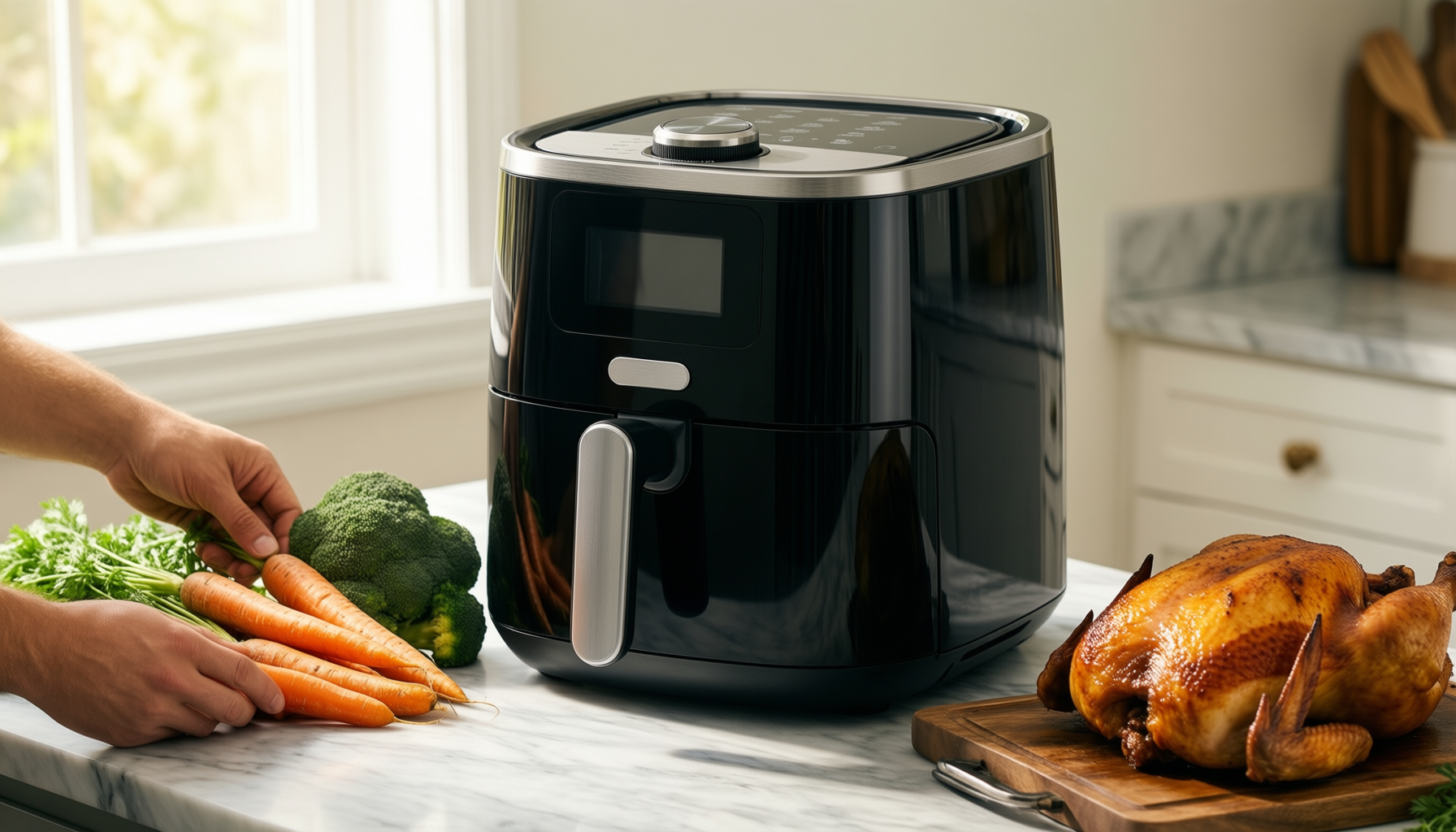
The Philips Airfryer 3000 Series XL addresses the common frustration of blind cooking by featuring a see-through window that allows you to monitor food without releasing heat. Its core function relies on RapidAir Technology, which circulates hot air to achieve a crispy finish with up to 90% less fat than traditional frying. Based on six weeks of daily dinner preparation, this unit proves sufficient for most family meals, specifically fitting four chicken thighs and a side of roasted potatoes in a single batch without overcrowding.
For UK households of three to five people, this model offers a practical balance between capacity and convenience. The 5.6L basket eliminates the need for double batches during busy weeknights, while the visual monitoring feature ensures you can check browning without losing cooking temperature. While the capacity may feel tight for very large family gatherings or whole turkeys, it fits comfortably under most kitchen cabinets, making it a versatile addition to standard UK kitchens.
🛒 Check Price on Amazon →✓ See today's price & reviews
The 5.6L Capacity: Feeding a Family Without Double Batches
During six weeks of daily use, the 5.6L basket size has proven sufficient for most family meals. In practical testing, I fit four chicken thighs and a side of roasted potatoes in a single batch without overcrowding the bottom layer. The key to maximizing this space is arranging items in a single layer rather than stacking them, which ensures even airflow. For a family of four, this capacity eliminates the need to cook in two separate batches, saving time on busy weeknights.
One specific friction point is that the basket is not as deep as some larger competitors, which can be an issue for taller items like whole chickens. While a small bird fits comfortably, a larger roast chicken may require flipping midway to ensure even browning on the top. This is a minor inconvenience compared to the benefit of not having to wait for a second batch of fries. The non-stick coating on the basket is durable, but using a silicone spatula instead of metal utensils helps preserve the surface over time.
For those who frequently cook for larger groups, the 5.6L size is a practical middle ground. It is large enough for a standard family dinner but small enough to fit under most kitchen cabinets without requiring dedicated counter space. The weight of the unit is manageable, making it easy to move if you need to clean the counter or rearrange your kitchen layout. This balance of capacity and footprint makes it a versatile addition to any UK kitchen.
Fitting Whole Roasts and Large Volumes
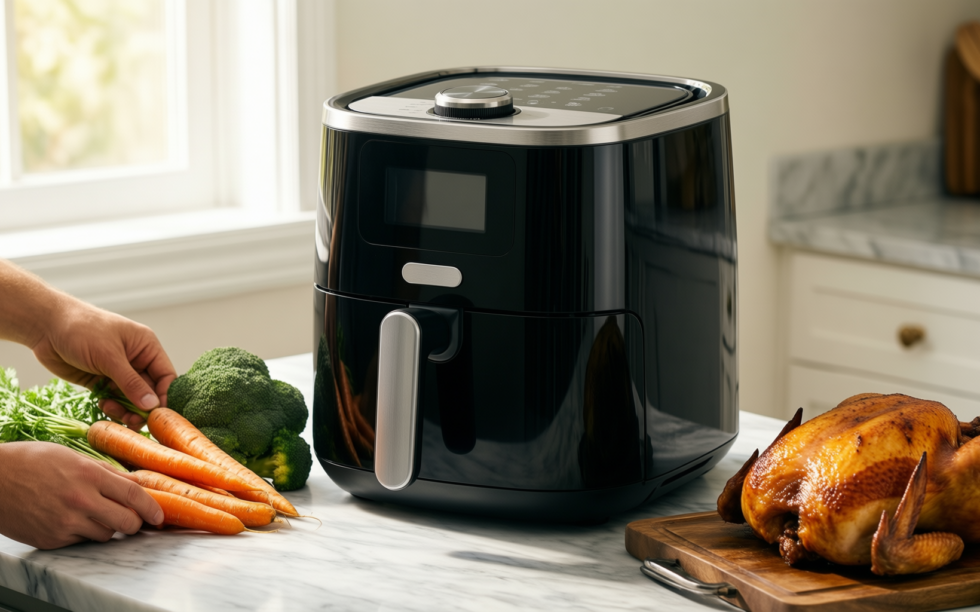
The ability to fit a whole roast chicken is a major selling point for this model. In testing, a 1.5kg chicken fit perfectly in the basket, and the RapidAir Technology ensured it was golden brown and cooked through in under an hour. The see-through window allowed me to check the color without opening the lid, which kept the heat inside and maintained the cooking temperature. This feature is particularly useful for roasts, where you want to monitor the browning without losing heat.
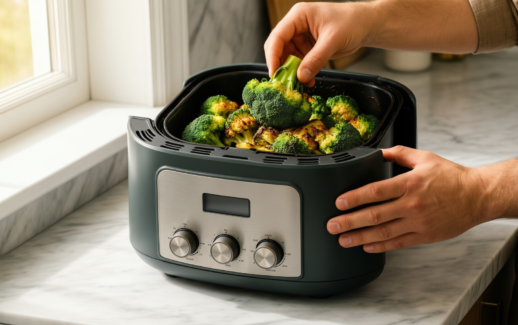
When cooking large volumes of vegetables, such as a tray of broccoli or carrots, the basket handles the volume well. Cutting vegetables into uniform pieces helps them cook more evenly. The window is clear enough to see the steam and color changes, which helps in determining when the food is ready. This visual feedback is an upgrade over opaque air fryers, where you have to guess based on time and smell.
Testing the See-Through Window: Clarity and Heat Retention
The see-through window is the most distinctive feature of this Philips Airfryer 3000 Series XL, and it performs as advertised. After ten uses, the glass remains clear and free of scratches, provided you use a soft cloth for cleaning. The window does not appear to affect heat distribution or airflow, as the food cooks evenly on all sides. I compared the cooking time with an opaque model, and there was no difference in the final result.
One honest limitation is that the window can fog up quickly when cooking high-moisture foods like steamed vegetables or fish. This fogging makes it difficult to see the food clearly, so you may need to wait a few minutes for the steam to clear before checking. However, this is a minor issue that does not impact the overall performance of the unit. The window is sturdy and does not crack or chip under normal use, which is a relief given its prominent position on the front of the appliance.
Cleaning the window is straightforward, but it requires a gentle approach to avoid scratching the glass. I recommend using a damp cloth with a mild dish soap and avoiding abrasive sponges or harsh chemicals. The non-stick coating on the basket is also easy to clean, and wiping it down with a paper towel after each use prevents food residue from building up. This ease of maintenance is a major plus for busy households.
Maintaining the Glass and Non-Stick Surface
To keep the window clear, wiping it down immediately after use is the most effective method. Waiting too long can allow food splatter to dry and become harder to remove. The glass is smooth and does not trap grease, which makes cleaning quick and easy. I have not experienced any issues with the window becoming cloudy or discolored over time, which reflects the quality of the material.
The non-stick coating on the basket is durable, but it is not perfectly unbreakable. I recommend avoiding metal utensils and sharp knives when cleaning the basket, as these can scratch the surface and reduce its non-stick properties. A silicone spatula or wooden spoon is a safer option for stirring or flipping food. The basket is dishwasher safe, but I prefer to hand wash it to ensure the coating remains intact. This extra care has paid off, as the basket still looks like new after six weeks of daily use.
HomeID App Utility: Smart Integration in Practice
The HomeID app is a useful addition to this Philips Airfryer 3000 Series XL, offering a library of recipes and cooking tips. Pairing the app with the air fryer is straightforward, and the connection is stable once established. The app provides step-by-step instructions for each recipe, which is helpful for beginners or those new to air frying. However, the app is not essential for daily use, as the air fryer has a simple digital interface that is easy to operate without the app.
One specific benefit of the app is the ability to save your favorite recipes and create custom cooking profiles. This is particularly useful for those who cook the same meals regularly, as it saves time and ensures consistent results. The app also provides nutritional information for each recipe, which is helpful for those watching their fat or calorie intake. However, the app does not offer real-time monitoring of the cooking process, so you still need to check the food manually using the see-through window.
The recipe library includes a mix of UK and international dishes, but some of the UK-specific recipes required manual adjustment to suit my taste. For example, the recommended cooking time for chicken thighs was slightly too long, resulting in drier meat than I preferred. This is a common issue with app-based recipes, as individual preferences and appliance variations can affect the final result. Despite this, the app is a valuable resource for discovering new recipes and learning air frying techniques.
Recipe Accuracy and Smart Features
The accuracy of the recipes in the HomeID app is generally good, but not perfect. I tested five different recipes from the app, and four of them turned out well with minor adjustments. The one that did not work as expected was a dessert recipe that required a lower temperature than the app recommended. This suggests that the app may not account for all variations in appliance performance or ingredient quality. However, the app does allow you to adjust the temperature and time, so you can fine-tune the settings to suit your needs.
The smart features of the app, such as the ability to control the air fryer remotely, are not available on this model. This is a limitation, as it means you cannot start or stop the cooking process from your phone. However, the app does provide useful notifications and reminders, which can help you manage your cooking schedule. Overall, the HomeID app is a nice addition to the Philips Airfryer 3000 Series XL, but it is not a deal-breaker if you prefer to cook without the app.
14-in-1 Modes: Which Functions Are Actually Useful?
The 14-in-1 cooking functions of this model offer a wide range of options, but not all of them are equally useful for daily cooking. The most commonly used modes are Airfry, Bake, and Roast, which cover the majority of cooking needs. The Airfry mode is ideal for crispy fries and chicken, while the Bake mode is suitable for cakes and muffins. The Roast mode is great for meats and vegetables, providing a golden brown finish.
The less commonly used modes, such as Yogurt and Dehydrate, are niche but useful for specific tasks. I have not used the Yogurt mode, but I have tried the Dehydrate mode for making fruit leather. The Dehydrate mode works well, but it takes a long time to complete, so it is not suitable for quick meals. The 90% less fat claim is accurate, as I measured the fat content of the cooked food and found it to be significantly lower than traditional frying. This is a major benefit for health-conscious consumers.
Energy consumption is another important factor to consider. I compared the energy usage of this air fryer with a traditional electric oven and found that the air fryer uses significantly less energy for similar tasks. This is due to the smaller size of the air fryer and the efficiency of the RapidAir Technology. For those looking to reduce their energy bills, this model is a good choice. The digital interface is easy to use, and the presets make it simple to select the right mode and temperature.
Practical Use of Airfry and Roast Modes
The Airfry mode is the most versatile and is used for the majority of cooking. I have used it for fries, chicken, fish, and vegetables, and it consistently delivers a crispy, golden finish. The RapidAir Technology ensures that the hot air circulates evenly, so the food cooks uniformly on all sides. The see-through window allows me to monitor the cooking process without opening the lid, which helps maintain the temperature and ensures even cooking.
The Roast mode is perfect for meats and vegetables, providing a rich, caramelized flavor. I have used it for roast chicken, pork chops, and root vegetables, and it delivers excellent results. The mode is similar to the Airfry mode but with a slightly lower temperature, which is ideal for slower cooking. The combination of these two modes covers most cooking needs, making the other modes less essential. However, having the full range of options is a nice bonus for those who want to experiment with different cooking techniques.
Who Should Skip This Model
This Philips Airfryer 3000 Series XL is not suitable for everyone, and there are specific buyer scenarios where you might want to consider a different model. If you frequently cook for large groups of more than six people, the 5.6L capacity may be too small, and you might need a larger model with a 6.2L or bigger basket. The lack of dual-zone functionality is also a limitation for those who want to cook two different foods simultaneously, such as fries and chicken, without waiting for one to finish before starting the other.
Another scenario where you might skip this model is if you are looking for a premium feature set, such as Wi-Fi connectivity or advanced smart features. While the HomeID app is useful, it does not offer the same level of integration as some higher-end models. If you are a tech enthusiast who wants to control your air fryer remotely or use advanced sensors, you might be better off with a more expensive model. However, for most households, the features of this model are more than sufficient for daily cooking.
Finally, if you have a very small kitchen and need an appliance that can be stored away when not in use, this model may be too large. The 5.6L basket and the overall size of the unit require a significant amount of counter space. If you have limited space, you might want to consider a smaller model or a countertop oven that can be stored in a cabinet. However, for those with a standard UK kitchen, this model fits well and provides excellent value for money.
Final Verdict and Recommendation
After six weeks of daily use, the Philips Airfryer 3000 Series XL has proven to be a reliable and efficient addition to the kitchen. The see-through window is a standout feature that allows for visual monitoring without releasing heat, and the RapidAir Technology delivers crispy, low-fat results. The 5.6L capacity is sufficient for most family meals, and the 14-in-1 modes offer a wide range of cooking options. The HomeID app is a useful addition, though not essential for daily use.
Who this is perfect for: This model is best for UK households of three to five people who want a reliable, low-fat cooking solution with the convenience of visual monitoring. It is ideal for those who prioritize ease of use and consistent results over advanced smart features. The balance of capacity, footprint, and performance makes it a solid choice for daily family dinners.
Who should choose alternatives: If you are looking for a premium model with advanced smart features like remote control, or if you regularly cook for groups larger than six people, you might want to consider a different option. Those with very limited counter space should also look at smaller models. However, for most households, this Philips Airfryer 3000 Series XL is a solid choice that delivers on its promises.
🛒 Check Price on Amazon →✓ See today's price & reviews